Nothing shows classism and racism like the new Second Avenue and where it goes and where it does not go. There are two philosophies of providing transit: provide it to the car-oriented people to wean them away, or provide it to the people who depend on it. Clearly they Metropolitan Transit Authority is practicing the philosophy of build the train for the affluent who use taxis more.
The new line goes to possibly the wealthiest neighborhood of the nation, the Upper East Side, 72nd Street, 86th Street and 96th Street. The definitive divider between the rich and white Upper East Side and the working class and more Latino area is 96th Street, where the Metro-North leaves the tunnel and becomes an elevated railroad. And 96th Street is where the subway ends.
This Upper East Side serving new route of the Q train is a bitter contrast against the trains of the past.
In the past the Bronx was white and when the elevated was built in Manhattan, Harlem, central and east, was white.
Until the 1970s there was a Third Avenue Elevated in the middle of the South Bronx. And when the far upper reaches of the East Side were transitioning from suburban to urban, a transit company built to 129th Street. Service on the Manhattan section of the Third Avenue Elevated was terminated in 1955. The city dithered for years and there was no action taken to build the promised subway replacement.
The transit system in the bus division is under mighty strain because they are serving trajectories that are not served by subways or elevated lines. In sections of the Bronx, Brooklyn and Queens buses are impossibly crowded. Drivers routinely pass waiting commuters when the buses reach crush capacity. Even the new accordion or "articulated" buses are stuffed. So, the city needs better connectivity to the upper Manhattan and the Bronx.
The crush capacity platforms and trains on the Lexington Avenue 4, 5, and 6 lines are strained and these issues will not be resolved by the stub subway to 96th Street. There is no connection for people in Harlem, in the Bronx. And there are no discussions of relief for the hapless commuters in the outer borough who have to suck in their guts and move further back in the bus, only to continue to be sardines.
And did you notice the mini art gallery look of the stations? All for the Upper East Side super-rich. The trains are so far below the surface. There's no need for that. Existing pines and utilities are not that far below. This is patently a sop to the richest percents, so that they will never feel the vibrations. Seriously, can you see such care if the MTA ever does care about the people that already are transit dependent? We cannot expect to ever see a Utica Avenue line or a Fordham / Pelham Parkway line. Can you really expect deep bore tunnels for a Utica Avenue subway, and so protecting Ocean Hill from subway vibrations in the same way the Second Avenue's deep bore protects the Upper East Side.
Others have recognized the strain and have called out the neglect since the 1970s. See this blog's critique of the MTA's neglect of the Bronx.
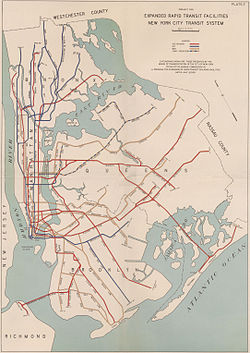
The MTA needs to match up with 1929-1940 ideas. https://upload.wikimedia.org/wikipedia/commons/thumb/b/b3/1939_IND_Second_System.jpg/250px-1939_IND_Second_System.jpg
New York City, with more billionaires and millionaires than ever. Yet no provisions for express tracks. And there are no plans to address the transit corridors that need to be built in the outer boros.
A cross-Bronx line along Fordham Avenue/Pelham Parkway, a cross Queens line from Whitestone to Jamaica, an extension of the F to the Nassau border, a Brooklyn line to the Belt in Flatlands, and a new Utica Avenue line. These are neighborhoods where new lines are desperately needed. The most comfortable New Yorkers should be taxed, so that New Yorkers can move as easily as the uber rich can move from 86th Street to midtown Broadway with its theatres.
We can just wait til more New York gets gentrified if we're going to expect lines in places like Central Bronx or a line to La Guardia Airport. When the neighborhoods in question get the political clout then we'll see a line.
Maybe the MTA will find the funds when the upper five percent move into East Harlem. Notice the hype for neighborhoods that New York Magazine added.
(First problems with this map: even under the rosiest scenario, Phase 2 would not open until the late 2020s. For the rest of the line, maybe it would open in the 2040s.)
Maybe we'll need to rethink building all the way to the Financial District anyway. Here is what a 2.5 meter rise in the seas will do to Lower Manhattan.
 The city will have a greater conflict: trying to convince the modest income New Yorkers to build giant sea walls to protect the millionaires' lower Manhattan, while the truly vulnerable New Yorkers will be in the tens of thousands in Staten Island, and southern Brooklyn and Queens at the Atlantic Ocean's edge. If you are concerned with the issue of rising sea levels, download the data before January 20. The incoming Donald Trump presidential administration may not keep such data on government sites any more. Some links to NOAA and NASA sites are at my other blog.

The new line goes to possibly the wealthiest neighborhood of the nation, the Upper East Side, 72nd Street, 86th Street and 96th Street. The definitive divider between the rich and white Upper East Side and the working class and more Latino area is 96th Street, where the Metro-North leaves the tunnel and becomes an elevated railroad. And 96th Street is where the subway ends.
 | |||
| Notice the area served by the SAS today: very rich | Upper E Side |
This Upper East Side serving new route of the Q train is a bitter contrast against the trains of the past.
In the past the Bronx was white and when the elevated was built in Manhattan, Harlem, central and east, was white.
Until the 1970s there was a Third Avenue Elevated in the middle of the South Bronx. And when the far upper reaches of the East Side were transitioning from suburban to urban, a transit company built to 129th Street. Service on the Manhattan section of the Third Avenue Elevated was terminated in 1955. The city dithered for years and there was no action taken to build the promised subway replacement.
The transit system in the bus division is under mighty strain because they are serving trajectories that are not served by subways or elevated lines. In sections of the Bronx, Brooklyn and Queens buses are impossibly crowded. Drivers routinely pass waiting commuters when the buses reach crush capacity. Even the new accordion or "articulated" buses are stuffed. So, the city needs better connectivity to the upper Manhattan and the Bronx.
The crush capacity platforms and trains on the Lexington Avenue 4, 5, and 6 lines are strained and these issues will not be resolved by the stub subway to 96th Street. There is no connection for people in Harlem, in the Bronx. And there are no discussions of relief for the hapless commuters in the outer borough who have to suck in their guts and move further back in the bus, only to continue to be sardines.
And did you notice the mini art gallery look of the stations? All for the Upper East Side super-rich. The trains are so far below the surface. There's no need for that. Existing pines and utilities are not that far below. This is patently a sop to the richest percents, so that they will never feel the vibrations. Seriously, can you see such care if the MTA ever does care about the people that already are transit dependent? We cannot expect to ever see a Utica Avenue line or a Fordham / Pelham Parkway line. Can you really expect deep bore tunnels for a Utica Avenue subway, and so protecting Ocean Hill from subway vibrations in the same way the Second Avenue's deep bore protects the Upper East Side.
Others have recognized the strain and have called out the neglect since the 1970s. See this blog's critique of the MTA's neglect of the Bronx.
The MTA needs to match up with 1929-1940 ideas. https://upload.wikimedia.org/wikipedia/commons/thumb/b/b3/1939_IND_Second_System.jpg/250px-1939_IND_Second_System.jpg
New York City, with more billionaires and millionaires than ever. Yet no provisions for express tracks. And there are no plans to address the transit corridors that need to be built in the outer boros.
A cross-Bronx line along Fordham Avenue/Pelham Parkway, a cross Queens line from Whitestone to Jamaica, an extension of the F to the Nassau border, a Brooklyn line to the Belt in Flatlands, and a new Utica Avenue line. These are neighborhoods where new lines are desperately needed. The most comfortable New Yorkers should be taxed, so that New Yorkers can move as easily as the uber rich can move from 86th Street to midtown Broadway with its theatres.
We can just wait til more New York gets gentrified if we're going to expect lines in places like Central Bronx or a line to La Guardia Airport. When the neighborhoods in question get the political clout then we'll see a line.
Maybe the MTA will find the funds when the upper five percent move into East Harlem. Notice the hype for neighborhoods that New York Magazine added.
 |
| The MTA will probably add a line when the class with clout, those over five %, move into East Harlem, and when the city media decide to hype the need for a new subway to serve the East Side. |
Maybe we'll need to rethink building all the way to the Financial District anyway. Here is what a 2.5 meter rise in the seas will do to Lower Manhattan.